Why "Small Projects" Deserve Big Attention
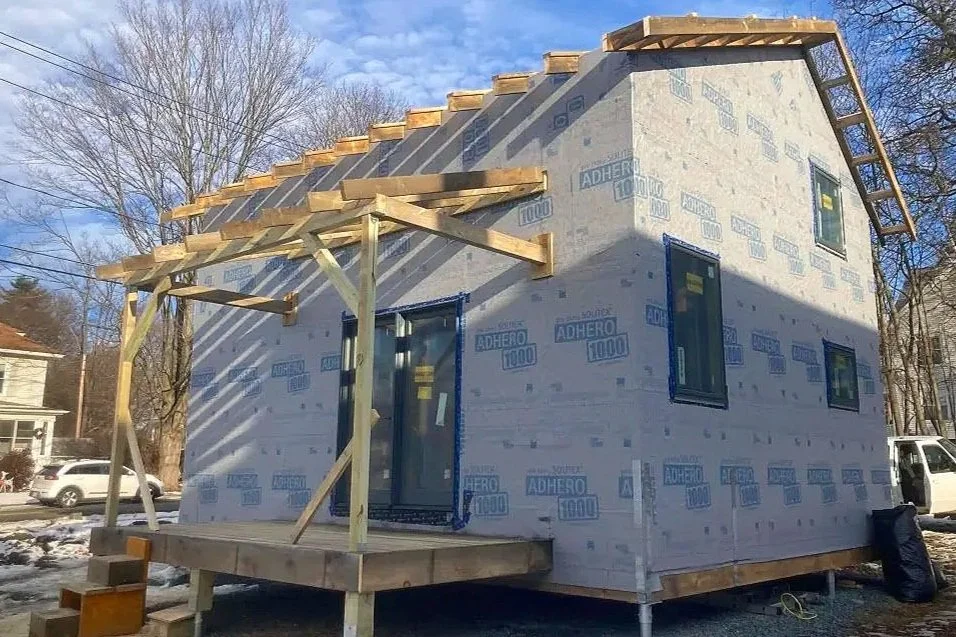
It’s easy to assume that a small renovation or addition—say, siding replacement or a 400-square-foot ADU—is simpler, quicker, and cheaper than larger projects. But in the world of design and construction, "small" does not mean "easy." If anything, small projects often require more finesse, tighter coordination, and a deeper level of care.
Design Takes Just as Much Effort
Small homes or additions still need site documentation, zoning research, detailed drawings, and coordination with structural engineers or energy consultants. They require all the same types of drawings as a custom home: floor plans, wall sections, electrical layouts, and more. The complexity per square foot is often higher. Think about it—cramming a full kitchen and bathroom into a tiny space takes more planning, not less.
Fees Aren’t Proportional to Square Footage
People often expect that smaller projects should cost less in architectural fees. But many of the tasks we do—research, design iterations, permitting—are fixed regardless of size. A smaller space might mean fewer materials, but it doesn’t always mean fewer decisions, drawings, or meetings.
Timelines Still Take Time
A small job might have a faster design phase, but permitting, trade partner availability, and materials lead times remain just as challenging. In fact, tight site constraints or occupied homes can make logistics even harder. Clients are often surprised that a modest addition can take nearly a year from design to completion, even if construction only lasts a few months.
Construction Costs Aren’t Linear
Smaller projects don’t always mean smaller budgets. Cost per square foot often goes up because fixed costs (like mobilization and site protection) are spread over fewer square feet. Kitchens and bathrooms are especially expensive spaces due to plumbing, tile, and cabinetry—whether they’re 50 or 150 square feet.
Finding the Right Trade Partners Can Be Harder
Reputable trade partners are often booked with larger jobs. That makes finding someone who is both skilled and available for a small job more challenging. And when clients try to act as their own general contractor to save money, they often find out the hard way that it takes experience to coordinate trades, permits, and timelines.
The Margin for Error Is Slim
Small projects leave little room for mistakes. Every inch counts. There's no space to hide a mechanical chase or fix a last-minute framing error. That means drawings must be precise, decisions made early, and every part of the team—client, architect, and builder—needs to be aligned.
More Decisions Than You Think
Even a simple bathroom renovation requires choosing tiles, grout, fixtures, paint colors, lighting, outlet locations, mirrors, and more. Multiply that across a kitchen or ADU and you get what we call "decision fatigue." One way we help is by narrowing the choices—offering curated finish packages or visual mood boards to guide selections.
Phasing Can Be a Smart Strategy
Not every client is ready to do it all at once—and that’s okay. Planning projects in phases lets homeowners spread out costs and disruptions. But doing this well means designing with the future in mind: roughing in for plumbing where a future bath will go, or sizing HVAC systems for eventual expansion.
Consultants Add Value
Even on small jobs, engineers and other consultants are often necessary—and can catch issues early. Bringing them in at the right time helps avoid redesigns and ensures code compliance and safety.
Our Takeaway
At Rare Forms, we treat every project—no matter the size—with the same level of care. That means setting clear expectations from the start, helping clients make smart decisions, and ensuring every square inch works hard. Because for us, small projects aren’t less important. They’re just a different kind of challenge—and often, some of the most rewarding work we do.
Ready to design a right-sized space that’s beautiful, sustainable, and built to last? We’d love to help.